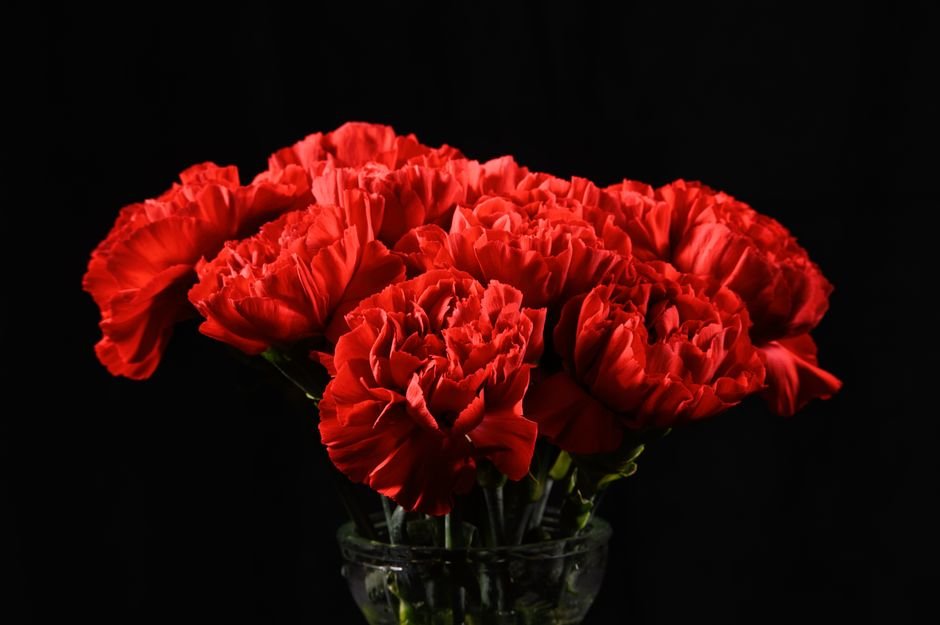
I once spent a good chunk of my flower budget on a single bunch of peonies for a friend’s visit, arranged them carefully in my best vase, and watched them blow open and drop petals across the counter within two days. Sitting right next to them, in a jam jar because I’d run out of vases, was a plain bunch of carnations I’d grabbed almost as an afterthought for a few dollars. They were still going strong a full week later. That contrast has stuck with me every time I shop since.
The Flowers That Keep Surprising Me
Carnations are the obvious one, and I used to be a little embarrassed to buy them because they’ve got a reputation for being plain or old fashioned. I’ve stopped caring about that reputation because they consistently outlast almost everything else I bring home. Chrysanthemums do the same thing in my experience, holding their shape and color for well over a week when most of my pricier bunches have already gone soft. Alstroemeria is another one that surprised me the first time I tried it, since a single stem can carry several small blooms that open in sequence, so the bunch keeps looking full even as earlier flowers fade.
What They Have in Common
The flowers that last for me tend to have sturdier petals rather than delicate, papery ones, and they usually open more gradually instead of all at once. Peonies and ranunculus are gorgeous, but they tend to be at their best for a short window and then decline quickly, sometimes within a couple of days of really opening up. The cheaper, tougher flowers I keep coming back to seem built for a longer, steadier stretch rather than one dramatic peak. I don’t think this is some secret rule, more just a pattern I’ve noticed bunch after bunch, season after season, on my own windowsill.
The Mistake That Taught Me This
That peony bunch I mentioned wasn’t a one off either. I’ve bought peonies at least three more times since, each time telling myself it would be different, and each time watching them peak and drop within a couple of days of opening. The last time, I paid close to what I’d normally spend on flowers for two weeks, just for a bunch that gave me one really nice dinner’s worth of a centerpiece before scattering petals everywhere. I don’t regret trying them, because they really are beautiful while they last, but I’ve had to admit to myself that I was buying them for the idea of peonies more than for how they actually behave once they’re cut and sitting in my apartment.
Where I Get These Cheaper Bunches
I find the sturdier, longer lasting varieties both at the market and at the grocery store, which is part of why I like them so much. They don’t require a special trip or a specific vendor, which the more delicate flowers sometimes seem to. A bunch of carnations from a grocery cooler has done just as well for me as one from a market stall, which isn’t something I can say about every flower I buy. That consistency matters more to me now than it used to, especially on weeks when I want something on the counter without overthinking the purchase.
Mixing Cheap and Impressive
My favorite trick these days is pairing a cheap, sturdy flower with just one or two stems of something showier, rather than building a whole bunch out of the expensive stuff. A few carnations as the bulk of an arrangement with one or two ranunculus tucked in gives me most of the visual impact of the pricier flower without betting the whole vase on something that fades fast. When the ranunculus inevitably goes first, the carnations are still holding the arrangement together, so the vase doesn’t suddenly look empty or sad halfway through the week.
A Cheap Flower That Disappointed Me Anyway
I don’t want to make it sound like cheap automatically means reliable, because that’s not true either. I once bought a bunch of inexpensive daisies expecting the same kind of sturdy, long lasting performance I get from carnations, and they wilted within three days, faster than some of the pricier bunches I’d bought that same month. I think I’d started assuming price and durability were directly connected in one simple direction, cheap equals tough, and that bunch of daisies quietly corrected me. It’s not really about price at all when I think about it honestly. It’s about the specific variety and how it was handled before I ever saw it, and price is just a loose, unreliable hint at best.
What I Actually Buy Now
These days, unless I’m buying for a single specific occasion where I know the flowers only need to look good for one evening, I lean toward the cheaper, tougher varieties as my base. It’s changed how satisfied I feel with a purchase, because I’m no longer comparing a fading expensive bunch against the memory of how good it looked on day one. A humble bunch of carnations that’s still cheerful on day eight has quietly become one of my favorite things to bring home, even if it will never be the flower I mention first when someone asks what I bought. It’s a quiet kind of loyalty, the sort you build with something dependable rather than something flashy, and I’ve come to genuinely look forward to seeing those plain, tough little flowers holding steady on my windowsill while everything more expensive I’ve ever bought has already come and gone.